After carrying out hundreds of building surveys across West Sussex and Surrey, I can tell you with confidence that certain defects come up again and again. Some are specific to certain eras of construction. Some are related to the local geology or climate. And some are simply the inevitable result of time and insufficient maintenance.
Knowing what these common defects look like — and what questions to ask — can help you go into a property viewing with your eyes open. Here are the seven defects our Crawley surveyors encounter most frequently.
1. Rising and Penetrating Damp
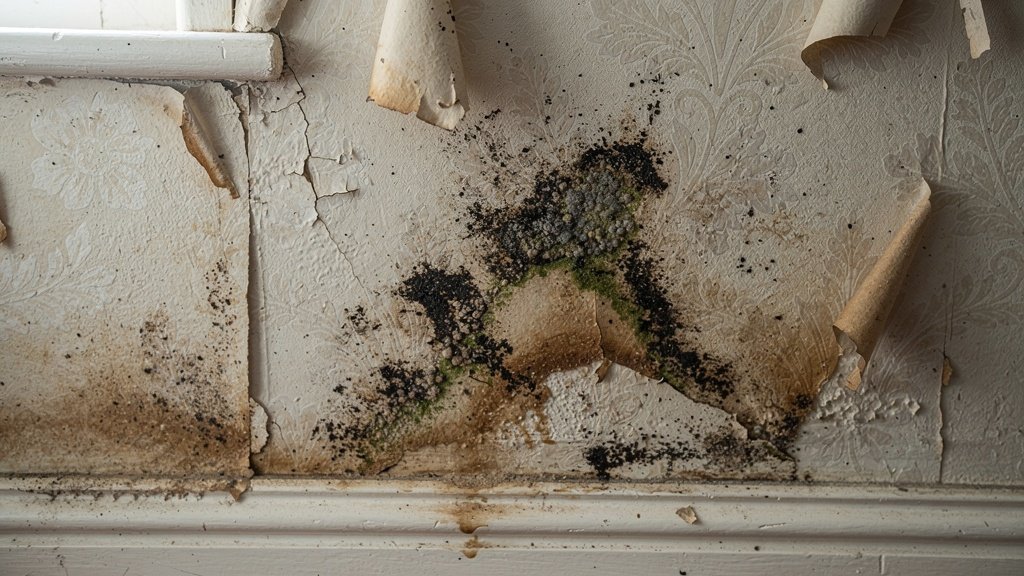
Damp is, without doubt, the defect we find most often in older properties across West Sussex. There are two main types to understand:
Rising damp occurs when ground moisture travels upwards through the walls via capillary action. It typically presents as tide marks, salt deposits and peeling wallpaper or plaster at low level. It's most common in pre-1920 buildings and in some post-war properties where the original damp-proof course has failed or was never present.
Penetrating damp enters the building through defects in the external fabric — failed pointing, cracked render, blocked gutters, leaking windows. It can appear at any level and often presents as patches rather than the lower-level bands of rising damp.
Both types can be managed, but they need to be properly investigated and treated — and critically, treated for the right cause. We see a lot of properties where invasive damp-proofing treatments have been applied unnecessarily to what was actually a straightforward ventilation or maintenance issue.
2. Roof Defects
The roof covering is the first line of defence against the elements, and when it fails, the consequences can be extensive and expensive. We routinely find:
- Missing, slipped or cracked tiles or slates
- Failed or inadequate flashings at abutments and around chimneys
- Corroded or blocked gutters and downpipes
- Inadequate roof ventilation leading to condensation
- Deteriorated flat roof coverings — particularly on garages and extensions
Roof replacement on a typical three-bed house in West Sussex currently costs in the region of £8,000–£18,000 depending on the specification. It's always worth factoring this in when you're assessing a property's true purchase cost. Read our detailed guide to roof defects and what to look for.
3. Timber Decay and Beetle Infestation
Older properties across Sussex frequently show evidence of timber decay and historic insect attack. The most common form of insect attack is the common furniture beetle (often called woodworm), which infests softwood timbers and can weaken roof structures, floor joists and joinery. Active infestations are relatively straightforward to treat; historic infestations require assessment of the structural impact.
Wet rot and dry rot are also significant concerns in older Sussex properties. Dry rot in particular can spread rapidly through a building if conditions allow — we've seen cases where it has spread from a small affected area to cause extensive structural damage across multiple floors.
4. Drainage Problems
Older properties in Crawley and the surrounding area commonly have original cast iron or early clay drainage that is now well beyond its design life. Issues include cracked or displaced pipes, tree root ingress, and failed connections. We recommend a CCTV drainage survey as part of any full building survey on an older property.
5. Structural Movement and Cracking
Some degree of cracking in an older building is normal and to be expected — buildings move seasonally with temperature and moisture changes. However, distinguishing between normal settlement cracking and cracking that indicates more serious structural movement requires expert assessment.
Crack patterns that concern us include diagonal cracks running from window or door corners, wide cracks at regular intervals in external brickwork (which may indicate lintel failure), and stepped cracks in older buildings (which can indicate differential settlement). If you spot any of these at a viewing, mention them specifically when booking your survey.
6. Flat Roof Failures
The majority of extensions and garages across Crawley and West Sussex built in the 1960s–1990s have flat or near-flat roofs finished with felt — a material with a design life of approximately 15–25 years. Many of these roofs are now well past that point and show evidence of cracking, blistering, ponding water and perimeter failure. Replacement costs vary but a typical garage flat roof replacement runs to £1,500–£4,000; an extension roof could be £3,000–£8,000+.
7. Asbestos-Containing Materials
Properties built before 2000 may contain asbestos-containing materials (ACMs). In Crawley's post-war estate housing, common locations include ceiling tiles, soffit boards, garage roofs and internal linings. Undisturbed ACMs in good condition do not pose an immediate risk, but they become hazardous when disturbed during renovation or repair. We flag suspected ACMs in our reports and always recommend a specialist asbestos survey if you're planning any works.
"These defects don't need to put you off buying a property. But going in with eyes open — knowing what's there, what it costs to fix, and when it needs doing — is the difference between a confident purchase and a nasty surprise."
What to Do if Your Survey Flags These Issues
Finding any of these defects in a survey report doesn't mean you shouldn't buy the property. It means you should understand the implications — what it will cost to fix, when it needs to be done, and how that affects the price you're willing to pay. Our surveyors are always available to talk through their findings in plain English and help you decide on the right course of action. See also our guide on how to renegotiate after a building survey.